
Category Archives: Struggling to write

Getting UnStuck

There are times when you have to stop and assess your surroundings because you’re feeling anxious, stuck, or disorganized.

The past two weeks was one of those times.

Last March, after my historical gothic romance novella, Harbor House: Say You Will was published in an anthology, I took all my storyboard Post-it notes[1] from the psychological paranormal thriller, Harbor House: Last Blood, that occurs in the same location with the same family but 100 years later and typed the notes into a treatment/synopsis outline, giving myself an October publication deadline.

Even though I was finishing the publication of CPE, its companion workbook, and two audiobooks—all projects I had started the year before, and knew I’d be teaching a two-week Master Class, had a blog commitment, and was going to a weekend writing workshop, I figured I could get the book written and edited by summer’s end.

So, I made announcements of my intent to publish Harbor House: Last Blood in October.

What I didn’t expect was the time it would take to finish those three preceding projects. As I worked on them, the outline sat on my desk, gnawing at me, the characters screaming, “It’s our turn. NOW!”

Between then and last week, I was able to write 75% of the first draft. A good beginning, but, I noticed since returning from the weekend workshop that my writing had slowed. I was struggling. I began to doubt I could make the October deadline. After all, it was now August, and the first draft wasn’t finished.

I had to get past a scene that didn’t feel right. So, I went ahead and wrote it, and then later that night, I knew I had to delete it totally. Instead of having a dog poisoned, it would be found locked in a distant room, which appears to have been on purpose. Problem solved.

So, I was writing again, but I was still dragging my feet. Why?

Looking around, I sensed it was my surroundings. My bookcases were messy. The energy (Chi) was stagnant and getting caught in corners.

In the end, I took a few days to…

  • Cull my books—no more double-stacked shelves!
  • Move my desk a bit, giving myself more room to move around.
  • Clean off my desk.
  • Move my published books to shelves behind me, so that my profile on Zoom is more professional.
  • Organize my binders so that the projects published are together and the projects to be finished are on a different shelf.
  • File loose papers into their proper binders or in file folders.

As I worked, I felt the Chi in the room swirling. Energy in motion.

I had been stuck mentally because my projects were stuck (messed up) physically. My environment had been affecting my creativity.

How about you? Do you find you have to clean things out to feel motivated again or to feel refreshed? Do you find changing your surroundings leads to better creativity?


[1] I write about my storyboard Post-it notes method of plotting in my how-to book, CPE: Character, Plot, & Emotion, which has an accompanying workbook with full plotting sheets as an aid. Sold only on Amazon at https://www.amazon.com/CPE-Character-Emotion-Diana-Stout/dp/B0D2TQ7ZG8.


Procrastination Preparation

I’m teaching a Master Class for two weeks, starting Monday, Avoiding (& Using) Procrastination.

 As I went over the lessons, updating and rewriting some sentences, I got to review the content again. I’m always amazed at the science of procrastination. We’re told we’re awful people if we procrastination, but the science behind why we do it is eye-opening.

Then add the complexities of our actions that can include triggers and anxiety, and well, procrastination becomes a well-used recipe for disaster.

After I researched the topic more thoroughly, I discovered I could be in full control of my procrastination: choosing when to use it or choosing to dismantle its hold.

The best part of teaching any class for me is seeing my students’ aha moments. When they suddenly realize they have empowerment over a myth that they once considered as truth.

  • Do you struggle with procrastination?
  • Would you like to have super powers to dismantle its hold on you?
  • Would you like to learn how to change your perception and actions of procrastination forever in just a few minutes a day for two weeks?

There’s still time to join the class!

To learn more or to register, go to https://writeruniv.com/master-class-using-avoiding-procrastination/.

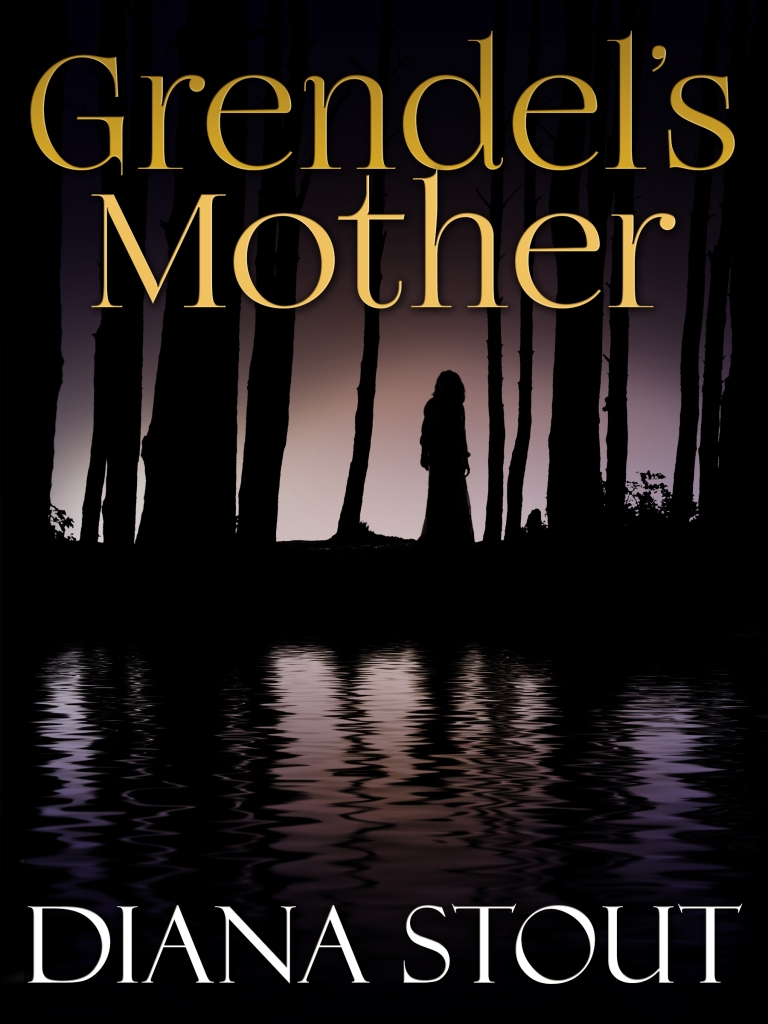
Grendel’s Mother and The Mistakes I Made as a First-Time Indie Author

Back when magazines were delivered by mail or purchased on the newsstands—obviously pre-internet–one magazine, Calling All Girls which later merged with Young Miss, had a column called, “Was My Face Red!” The column consisted of letters by readers who revealed embarrassing moments. Some were funny, some sad, but they all had one thing in common: they showed how human we all are, reinforcing that we all make mistakes.

Well, I’m here to make a confession—a big one.

Recently, I discovered that my first indie-published book, Grendel’s Mother, was a bit of a mess.

A couple years after it was published, I saw a review by a German reader who commented on two characters’ names that were misspelled in the book. Sometimes Angus was Agnus. Sometimes Erik was Eric or Erick.

Fortunately, I was able to make the repairs to the names and provide a cleaner copy to Amazon and Ingram right after that reveal.

Or, so I thought.

Turns out there were more issues than just two names being misspelled. Now, I understand why there was silence from certain individuals, people who normally always have an opinion about a book.

During a recent experience of listening to Grendel’s Mother, preparing it to be listed as an audiobook on Amazon, I was stunned to hear the errors:

  • Missing words
  • Correctly spelled words but not the right word, such as again when it should have been against.
  • Repetition of words… in the same sentence.
  • Unclear meaning
  • and more.

Is my face ever red!

I didn’t know. No one said a word. Did they just not want to tell me, didn’t know how to tell me, or did they not see the errors themselves?

I’ll never know the answers, but I can only imagine how some might have been embarrassed for me. I wish I could have known then what I know now, but that’s a fruitless wish. The mistakes I made back then:

  • I had no beta readers, no proofreaders. Just me.
  • I didn’t reread the book multiple times. Multiple as in a dozen or more, until I stopped finding errors.
  • I suspect auto-correct may have been turned on.
  • I didn’t read it aloud.
  • I was in a hurry. The worst possible reason ever.

When I discovered all of these errors recently, I beat myself up for a few minutes, and then, I started to work the problem. I ran the story through the process I use today.

The one thing I don’t do anymore is be in a hurry. I take my time.

I figured it’d take me a week to fix Grendel’s Mother. It took me three weeks.

I’m happy to report that the audio version is now live!

To you readers who left glowing reviews, THANK YOU! To you readers who were brave enough to reveal the errors or flaws, THANK YOU! You made me want to be a better proofreader.

I appreciate you all!

How about you? Do you have any publishing or writing-related Was My Face Red stories you’d like to share?

Are You a New Writer?

The Insecure Writer’s Support Group

The January 3 question: Do you follow back your readers on BookBub or do you only follow back other authors?

Are You a New Writer?

Rather than talk about who I follow on BookBub, because it’s the new year, I decided to address new writers, instead. I guess that’s the teacher in me: new year, new semester, ­new students.

I remember back to when I was a new writer, too. What I share with you are the things that best helped me as a new writer.

Read anything and everything. Read from writers you admire, notice their style, their voice. Read specific genres. Read across the genres. Read all the how-to books you can. Not only the newest publications, but older books, too.

Write a lot. Don’t worry about structure with your first drafts. Don’t edit or delete; just write. Write scenes of your desired genre. Or, just write whatever comes to mind and not worry about genre. Don’t worry about completing a book at this point. Instead, concentrate on making the dialogue sound true and creating believable characters.

Follow writers you admire. Learn about their process, any advice they offer. Take everything with a grain of salt, however, because no two writers follow the same process.

Subscribe to writing newsletters and writing blog; they’ll provide how-to information you need. Use that which sounds good for you.

Look for a critique partner or critique group you can join. In the beginning, you’ll be swapping writings with anyone and everyone. In time, you’ll want to vet them just as they should be vetting you. You want someone who will be honest, telling you what doesn’t work and why. Ideally, you want someone who writes in your genre or is knowledgeable about your genre.

Above all else, be open to hearing comments about your work and suggestions of how you can improve it. You don’t have to like everything suggested or even use it; and, don’t defend your work either. Just say thank you. What they provide and how they provide it will determine if you want to continue critiquing with them.

Attend conferences and make connections. Attending a conference is no place to be shy. Introduce yourself and then ask about their writing. People love to talk about themselves! Create elevator pitches, too. Don’t know what they are? Google elevator pitch. If you go with a group, don’t sit with them at every event. Sit away from them from so you can meet new people.

Create a business card. Make it simple. List yourself as a writer with contact information. That’s all you need.

Don’t think about a publisher or agent, yet. It’s too early. You’re just getting started. That said, any opportunity to hear an agent or publisher talk, sign up! Call it research; it’s a way to determine what kind of agent you want and what kind house you want to publish with. Don’t discount becoming an indie publisher, though. Do the research to compare your options.

Enter contests: local, regional, and national. Choose those that provide some kind of feedback. Consider who’s judging the contests, too. Consider if you were to win, would you get to meet with an agent, publisher, or production companies?

Find a writer’s group nearby or online and attend regularly. Check out past meetings to see what presentations they offered. You want a writer’s group that will help you grow as a writer, a group that provides you with quality takeaway.

If you are in a writing group, consider becoming a volunteer. It’s a great way to make connections. However, any volunteer work you do will take time away from your writing. Be prepared.

Learn and master basic grammar and punctuation. Both agents and publishers want polished work; meaning, reasonably clean work, not work riddled with errors on every page.

And, I can’t repeat this direction often enough: WRITE A LOT! The more you write, the better you’ll become. Practice writing is no different from practicing the piano, hitting the ball, or riding the wave. Dedicated, regular practice improves!

Check out my Recommended Reading page on my website! I’ve got a great list of how-to resources and am adding to the list every month.

And, one last reminder about my two-week Master Class, Punctuation and Grammar Made Easy, starting Jan 6, 2024 with limited seating. So, sign up now! There may still be a seat or two left.

*****

Dr. Diana Stout appreciates her readers and fans and would love for you to sign up for her announcement only newsletter. She promises that your mailbox will love you because the newsletter is only sent out with new release information, discounts, freebies, and giveaways. And, if the season is right, she might provide a recipe from her own cookbook.

Learn more about Dr. Stout at her website, Sharpened Pencils Productions.

*****

Purpose: To share and encourage. Writers can express doubts and concerns without fear of appearing foolish or weak. Those who have been through the fire can offer assistance and guidance. It’s a safe haven for insecure writers of all kinds!

Posting: The first Wednesday of every month is officially Insecure Writer’s Support Group day.

How to Stay Positive

The Insecure Writer’s Support Group

Instead of answering this month’s question, which is an AI question, I queried a writer friend and asked, What would you most like to read about in a blog right now? Her response was, “Staying Positive.”

How to Stay Positive

As writers, when the world’s toxicity seeps into our homes, our thoughts, and feelings, writing can become more difficult. It’s harder to concentrate, to focus.

So, what can you do to stay more positive?

  • Take a shower. Let the toxicity go down the drain!
  • Create a playlist that lifts your spirits and matches the mood of your current work in progress and play it when writing.
  • Take a walk in nature. Listen to the sounds, become one with nature.
  • List things you’re grateful for every day.
  • Start a positivity diary. List of all the good things that have ever happened in your life. Keep that list handy and keep adding to it. Refer to it as needed.
  • Don’t drink. Alcohol is a depressant.
  • Journal. Write your feelings out on paper. It’s about opening the dam of feelings and thoughts, venting on paper. Afterward, burn it, shred it, or tear into tiny pieces and flush down the toilet. Or, save it, and give those feelings to a character!
  • Stop worrying—99% of what we worry about never comes to pass.
  • When tired, take a nap or take a break.
  • Do something different.
  • Find a way to laugh. Start saving funny videos. Follow those people! Watch a comedy series or a funny movie.
  • Do a search for flash mob dances or orchestras on social media.
  • Dance! Alone for the length of a song.
  • Blow up an imaginary balloon, blowing your feelings, thoughts, and problems into the balloon. Then, release it to the Universe. Imagine yourself outside, seeing it rise above the houses and disappear into the clouds.
  • Perform some self-talk.
  • Plant something. Get your hands into the soil.
  • Go to a playground and swing or play in the sandbox.
  • Spend time with people who make you laugh, with whom you feel good about yourself when you leave their company.
  • Put positive affirmations on your bathroom mirror, at your desk, or in other places that you frequent and will see often. Change them up as needed.
  • Give someone a compliment.
  • Don’t take things personally.
  • Drive a new route home.
  • Buy yourself some flowers.
  • Do something differently. Drive a different route, go into an unknown store.
  • Eat out alone with a book. Enjoy your own company.
  • List goals you want to achieve. Break down a goal into manageable chunks—something you can do in 10 or 15 minutes. As you achieve them, cross them off!
  • Remove the triggers!

One of the best things I did to stay positive was to remove anything in my home that triggered me, immediately taking me back to a toxic event or conversation, which I started reliving, noticing my feelings and thoughts became a downward toxic spiral. Even though I had reconciled or had moved past it! Those triggers included clothing, knickknacks, furniture, and especially photographs.

Staying positive requires action on your part.

We are what we say, what we think, and what we DO!

*****

Purpose: To share and encourage. Writers can express doubts and concerns without fear of appearing foolish or weak. Those who have been through the fire can offer assistance and guidance. It’s a safe haven for insecure writers of all kinds!

Posting: The first Wednesday of every month is officially Insecure Writer’s Support Group day. Post your thoughts on your own blog. Talk about your doubts and the fears you have conquered. Discuss your struggles and triumphs. Offer a word of encouragement for others who are struggling. Visit others in the group and connect with your fellow writers. This group is all about connecting!

How to Become Obsessed With Your WIP Again

The Insecure Writer’s Support Group

How to Become Obsessed With Your WIP Again

(WIP = work in progress)

As a new writer, every story I started began with excitement for either the character, the plot, or both.

After a few chapters, though, the writing became a chore. Soon, writer’s block would set in. It pained me to not be working on it. Not wanting to work on it.

Sound like where you’ve been or where you are now?

Through trial and error, I discovered the secret to finding excitement again for every project should I lose interest. To finding that original fire I started with.

Now, anytime I’m struggling with any WIP, I know exactly what to do, which are two things, and they’re tied together.

  1. Go back to the characters
  2. Go back to the plot

Going back to the characters

The characters and I sit down for a long meeting. Sometimes these meetings take several days. I let them talk on paper, while I record what they’re saying. They can talk about anything they desire.

After a while, I’m noticing that their mood is changing. They’re remembering…events where I can see hidden emotions, so I start probing with questions like:  How did you feel about that? Did you ever resolve your feeling or talk to that person later? Why not? What would they have done differently if given the opportunity? And, so forth.

Soon, they’re talking about their wounds, the hurt(s) they’ve suffered. In talking about them, we can both see how the hurt led to their beliefs, their goals, and even their choice of partners and friends. They have their aha moments in these discussions.

Which leads us to going back to plot

We become a team as we examine the plotline and how we can have them butt up against their wound several times. What events we need to include.

They want to overcome that which has been holding them back. They want to become a better person. So, they help me layer in the emotions, the plants and payoffs, and create the necessary tension that leads to page-turning stories.

As I write the story, they become actors in their own stories. Interesting scenario, right?

Of course, we’re all crossing our fingers that we’ve created a memorable story, both in my writing and their acting.

*****

As I finish writing Sweet Cravings #7 of the Laurel Ridge romance series, the last book, I find myself saddened that my adventures with these seven couples is coming to an end. They’ve become a family of friends, strongly connected for past last few years, making me laugh at their hijinks and teasing. Me wishing I could run around with them.

But now, new characters in new projects are waiting backstage, eager to make their appearance. These new characters know the drill. They know we’ll be chatting for several days first, building both their arc and the plotline before word one is written.

No more getting stuck in the middle anymore for this writer.

It’s my secret to staying obsessed with every story I write. Wanna give it a try?

*****

Dr. Diana Stout is an award-winning writer in multiple genres and media who enjoys helping other writers.

She’s teaching a Master Class, Punctuation and Grammar Made Easy, in January 2024, with limited seating. Enroll now if you’re interested!

Be sure to subscribe to her From the Desk of Diana Stout MFA PhD newsletter to receive updates and announcements on her classes and publications.

Learn more about Dr. Stout at her website, Sharpened Pencils Productions.

Follow her new Facebook account here: DrDiana Stout. (She’s the only Dr Diana in Facebook – Her Diana Stout account was hacked where she no longer has access, so you’ll want to unfollow that account.)

*****

Purpose: To share and encourage. Writers can express doubts and concerns without fear of appearing foolish or weak. Those who have been through the fire can offer assistance and guidance. It’s a safe haven for insecure writers of all kinds!

Posting: The first Wednesday of every month is officially Insecure Writer’s Support Group day. Post your thoughts on your own blog. Talk about your doubts and the fears you have conquered. Discuss your struggles and triumphs. Offer a word of encouragement for others who are struggling. Visit others in the group and connect with your fellow writers. This group is all about connecting!

Getting Back to Normal – But What Does Normal Look Like?

The Insecure Writer’s Support Group

July 7 question – What would make you quit writing?

Getting Back to Normal – But What Does Normal Look Like?

My answer to the question of What would make you quit writing? is simple: my death. Or, being incapacitated to the point I can’t see, can’t type, can’t think.

That said, I did struggle with writing recently. My son-in-law died of Covid-19 on April 29.

At first, I resisted the writing—it was hard to start again—but thanks to the weekly Zoom write-in meetings I had with a group of writers, I was able to find that familiar joyful rhythm again.

The promotions, though… Since April, I’ve not been doing any—not for my books or for my writer friends. I couldn’t even perform a simple retweet.

Every time I tried to do any kind of promotion for my books, I struggled and ended up walking away from it all. I’d purposefully delete the emails with links to share, so I didn’t have to deal with it.

I realized in answering the question for today’s blog that something had to change. I didn’t like the monstrous time I’d spent in the past, promoting with little results to show for it. I wasn’t looking forward to doing it again.

Wanting to put the joy of writing back into the writing and why I do it in the first place, I had to dig down deep. Here’s what I came up with:

  1. I want to depend on and work toward more word-of-mouth advertising, where fans share my books and my self-created promos on social media. If it doesn’t happen, so be it. If it happens slowly, so be it.
  2. I want to become more connected in online writing groups where I can share my experience and knowledge. Even if I get back nothing in return. I’m paying forward the help I’ve received over the years.
  3. I want to spend more time writing, teaching, and coaching than I do promoting.
  4. I want to become part of the 5% of authors who write more than 12 books,[1] where everyone else with fewer books has quit writing. I’ve got 9 so far. When I’m finished with my novella series, I’ll have 15. I’m working on getting them finished.
  5. I acknowledge that being an author—traditional or indie published—is a long game, even though I’ve been writing for 45 years.
  6. I will no longer look at my $15-25 per month royalties as sad, but as progress in this long game from where I started at $0 with the creation of my production company in 2015, and which became a new direction/life for me, a reinvention actually.
  7. I will remind myself upon learning of another author’s promotional success that while it works for them, that doesn’t mean it’ll work for me. I will focus, instead, on those methods that DO work for me. I’ll concentrate on a few methods rather than on many.
  8. I want to thank those who subscribed to my newsletter and have stayed because I have something to offer them.
  9. I want to thank those who subscribed to my newsletter and then unsubscribed because I wasn’t a good fit for them. I’m ecstatic that they gave me a try, because…
  10. I want followers who are genuinely interested in my work and me. I want to have earned that follow.

If putting joy back into my writing is my mission statement, then these ten points are my vision statement, specific steps to make that mission statement a reality.

Based on my vision, I don’t see me quitting anytime soon. In fact, after finishing this blog and scheduling it to publish, I went and did some retweets. The next step is to schedule some of my own promotional posts.

Nope, quitting isn’t on my radar anytime soon.

*****

Purpose: To share and encourage. Writers can express doubts and concerns without fear of appearing foolish or weak. Those who have been through the fire can offer assistance and guidance. It’s a safe haven for insecure writers of all kinds!

Posting: The first Wednesday of every month is officially Insecure Writer’s Support Group day. Post your thoughts on your own blog. Talk about your doubts and the fears you have conquered. Discuss your struggles and triumphs. Offer a word of encouragement for others who are struggling. Visit others in the group and connect with your fellow writer – aim for a dozen new people each time – and return comments. This group is all about connecting!


[1] Jane Friedman’s Electric Speed email newsletter, June 26, 2021.

7 Good—and not so good—Reasons Why I Shelve First Drafts

The Insecure Writer’s Support Group

The question being asked this month for June 2, 2021: For how long do you shelve your first draft, before reading it and re-drafting? Is this dependent on your writing experience and the number of stories/books under your belt?

7 Good—and not so good—Reasons Why I Shelve First Drafts

From the beginning of my writing career, I was always shelving first drafts for various reasons. They are:

  1. I start a new project with great enthusiasm and after writing the initial idea, I run out of steam.
  2. A new idea pops up, so I desert anything else I’m working on to pursue that new dream: see #1.
  3. Once I perform the initial writing, create an outline, and research everything I’ll need, I finish the first draft fast. In the process, I discover holes in my plotting, characterization, or that I need more research.
  4. A major life event occurs, demanding all writing stops.
  5. I’ve finished that first draft and am not ready to begin the revision process. I need a break.
  6. Because I can.
  7. Procrastination. I just don’t want to.

Some projects get shelved by design, the rest…okay only #4 gets shelved because I have no control over the situation.

The longest a project has been shelved and which is still in the running—23 years so far.

The shortest shelf time for a fully finished first draft was for 10 years, but the totally writing time in that period was about 2 years. Each time I thought I had a finished draft, I discovered I really didn’t. It was shelved several times before reaching fully finished status.

Smaller projects, like short essays, are usually shelved for a few days to a week or two, simply for proof-reading concerns, but these don’t count. It’s usually the much longer projects that get shelved for any real duration.

My Lauren Ridge romance novella series I’m working on had the first story published in 2017. I’ve been picking away at the remaining 6 stories ever since. I just finished editing and proof-reading #2, giving it 6 final reads. It’ll be shelved as I work on #3.

I’m determined this is the year I’ll get past all these first drafts that have been shelved for this series and publish the darn thing.

Only to turn to another project that has been shelved with either a partial or full first draft.

And, so it goes.

Shelved first drafts . . . waiting to be finished and/or polished.

******

Purpose: To share and encourage. Writers can express doubts and concerns without fear of appearing foolish or weak. Those who have been through the fire can offer assistance and guidance. It’s a safe haven for insecure writers of all kinds!

Posting: The first Wednesday of every month is officially Insecure Writer’s Support Group day. Post your thoughts on your own blog. Talk about your doubts and the fears you have conquered. Discuss your struggles and triumphs. Offer a word of encouragement for others who are struggling. Visit others in the group and connect with your fellow writer – aim for a dozen new people each time – and return comments. This group is all about connecting!

Characteristics of the Working Writer

The Insecure Writer’s Support Group

October 7 question – When you think of the term working writer, what does that look like to you? What do you think it is supposed to look like? Do you see yourself as a working writer or aspiring or hobbyist, and if latter two, what does that look like?

Characteristics of the Working Writer

I’ve been a working writer since I was 26 years old with a newborn and a toddler. From the beginning, my goal was to earn an income from my writing. That made me different from the hobbyist writer.

According to IRS, a hobbyist writes for pleasure, for fun, not to make a profit. The working writer is trying their best to earn an income. The IRS has nine factors to judge whether you are a hobbyist or a working writer:

Question:  How do you distinguish between a business and a hobby?

Answer:  In making the distinction between a hobby or business activity, take into account all facts and circumstances with respect to the activity. A hobby activity is done mainly for recreation or pleasure. No one factor alone is decisive. You must generally consider these factors in determining whether an activity is a business engaged in making a profit:

  • Whether you carry on the activity in a businesslike manner and maintain complete and accurate books and records.
  • Whether the time and effort you put into the activity indicate you intend to make it profitable.
  • Whether you depend on income from the activity for your livelihood.
  • Whether your losses are due to circumstances beyond your control (or are normal in the startup phase of your type of business).
  • Whether you change your methods of operation in an attempt to improve profitability.
  • Whether you or your advisors have the knowledge needed to carry on the activity as a successful business.
  • Whether you were successful in making a profit in similar activities in the past.
  • Whether the activity makes a profit in some years and how much profit it makes.
  • Whether you can expect to make a future profit from the appreciation of the assets used in the activity.

An additional determination is whether the writer keeps separate bank accounts of business versus personal and if records are kept regarding their hours, projects, and submissions.

Five-hundred hours is the dividing line between hobbyist and working writer, too, and whether these hours are documented. How do I know?

When filling out a Schedule C through Turbo Tax, I was asked the question: did you work 500 hours this tax year in this business?

Five hundred hours per year equals just under 10 hours per week or almost 42 hours per month.

A working writer makes time or schedules writing time.

In my opinion, all three types of writers attend conferences, read how-to books, and ask questions, and love to talk about writing.

This list is what I believe are the differences:

Aspiring Writer

  • thinks about writing
  • doesn’t keep business records
  • asks questions in any group, thus doesn’t do any of their own research to learn the answers
  • are quite active in online groups
  • writes a little

Hobbyist Writer

  • writes when feels inspired, which means not every day
  • doesn’t keep good business records
  • likes to talk about writing
  • asks questions of other writers in those group of their genre, has done some research but relies on the other writers’ responses

Working Writer

  • writes nearly every day or per a planned schedule
  • writes even when not inspired; they know they’ll be in the zone soon.
  • writes even when sick, a loved one has died, divorcing, or some other life event has appeared in their life. They find solace in their writing.
  • has reams and files of their work even if not published
  • usually not in various online forums; if they are, they rarely read the posts or respond; they’re busy writing!

Purpose: To share and encourage. Writers can express doubts and concerns without fear of appearing foolish or weak. Those who have been through the fire can offer assistance and guidance. It’s a safe haven for insecure writers of all kinds!

Posting: The first Wednesday of every month is officially Insecure Writer’s Support Group day. Post your thoughts on your own blog. Talk about your doubts and the fears you have conquered. Discuss your struggles and triumphs. Offer a word of encouragement for others who are struggling. Visit others in the group and connect with your fellow writer – aim for a dozen new people each time – and return comments. This group is all about connecting!

How to Write When Struggling – Part II

Making Changes Can Make a Difference

Writers write in the best of times: when they’re healthy, working full-time, parenting, maintaining their homes, special celebratory events, births, and socializing.

They write in the worst of times: when ill, laid off, dealing with toxic neighbors or family, moving, and deaths.

And then there are the anormal times, such as the one we’re currently dealing with: Covid-19.

Up until now, I’ve been able to write through anything. I’ve written in playgrounds, noisy coffee shops, airports, and complete silence. I’ve written through two divorces, several moves, even the loss of jobs. I’ve written when sick with colds, fevers, stomach cramps, aching limbs, short-term migraines, and other ailments. However, having the flu for the third time in six weeks, three-day migraines I used to have, and vertigo have been the exceptions. Anytime my eyes are affected or when I’ve been lain out flat from an illness wishing for death, the actual task of putting words on paper or screen becomes non-existent.

One would think that during this current pandemic, especially while in lockdown, writers would be celebrating this huge chunk of solitary time, time they’ve wished for.

Surprisingly, despite the fact that I’m a full-time writer, I discovered I was struggling. So were many of my writer friends, plus thousands of other writers who are in my online writing groups.

For the second time in my life, I found myself facing depression even though my life wasn’t changing much. The things that changed for me were meeting friends and other writers in person and book club meetings.

While I’m not an expert on depression, from what I’ve read and researched, my depression came from loss. A loss of routine. The loss of physical connections. For me, the pandemic was a profound distraction, not to mention the fear of getting the virus.

Even though it was heartening to learn I wasn’t alone, it didn’t my problem.

After struggling through March and April of little writing or even the ability to concentrate on the most mundane of things, like paying bills or doing laundry, and feeling like every little task was a monster chore, I was ready for a mental spring cleaning.

I wanted to write again, and now, I am. So, what changed?

1) Recognizing Concentration Limits

During this pandemic, my ability to concentrate for long periods of time diminished greatly. I discovered if I did 15-45 minute sprints, I could do 1-3 sprints a day and write about 300-700 words per sprint, depending on the material I was writing.

2) Obtaining Accountability

I’ve always tracked my writing: how many words, how long, the tasks completed. Now, I’ve added an accountability partner. We check in with each other in the morning with either a live chat or a Messenger message, naming our goal(s) for the day. Then, we check in with each other in the evening, reporting what we’ve done.

Most of the time, we’re making forward progress.

On the days, where we did next to nothing, we acknowledge that we’re allowed. We’re exhausted, been injured, or just needed a day off.

The accountability works because 1) we’re verbalizing our goals and 2) we’re cheering each other on with positivity. It makes us want to do more!

3) Making Good Food choices

Since learning a year ago that I had a pile of allergies. celiac disease, and a high inflammatory rate, I changed my diet in big ways: avoiding the allergen foods and eliminating all grain, dairy, and sugar. I was doing well: losing weight and reduced my inflammatory rate to near zero. In fact, when I had one minor surgical procedure done last fall, the doctor expressed surprised at how fast the wound had healed. Additionally, all my aches, pains, and psoriasis had disappeared.

In February, I started cheating with just a couple foods. Then in March, April, and May, I jumped into the rabbit hole of unhealthy eating. No restrictions. All my previous comfort foods were back: ice cream, mac and cheese, cereal, sweets, and bread.

By June I was paying for those dalliances. All the previous ailments had returned and I was suffering, including gaining back all the weight I had lost.

Now, I’m eliminating all foods that are poisonous to my body again. I’m feeling better and I’m losing weight…again. The returned aches and pains are disappearing.

4) Connecting with Family and Friends

With all my writing meetings and weekend write-ins getting cancelled, online meetings became the next best thing. We can talk, laugh, and share our screens as we talk about the craft and continue to help each other with writing and publishing issues.

In fact, our monthly meeting this past Saturday was an all-day online write-in. We met in the morning, checked in a couple hours later, and then, checked in at the end of the allotted time. Everyone had met or were close to meeting the goals they had set for the day.

Online meetings, whether with one person or a group, have made a huge difference. I feel connected again.

5) Limiting Social Media

I’ve discovered the more I’m on social media reading the posts, comments, and tweets, the more likely I am to become angry, frustrated, or depressed about things I have no control over other than reposting, retweeting, writing a letter to my Congressional Representative, donating money, or venting to a friend. In the end, all of these things keep me engaged in obstacles to my writing. It’s one thing to stay informed; it’s another to spend hours learning nothing new.

—

The one change that has made the biggest difference for me has been the writing sprints, writing in short periods of time. Even during our recent online all-day write-in, I found that I couldn’t sit there for two hours at a time. I had to do a sprint, get up do a chore like load the washer or get the mail, then do another sprint, another chore, another sprint, and so forth. By the end of the day, I had written 3941 new words on my WIP.

Forward progress indeed!