
The Insecure Writer’s Support Group
October 6 question – In your writing, where do you draw the line, with either topics or language?
Coloring Outside the Lines
Throughout my entire writing career, the only time I considered writing inside the acceptable lines was when I was writing to market. Meaning, I needed to follow the guidelines of the publisher.
Once I started screenwriting, the characters dictated their language, their behavior. And, once I began publishing as an indie author, there were and are no limits.
Speaking of limits, lately, there’s been a movement of blasting authors who write outside of their culture, where it’s said that a white author can’t write about black characters, that unless you’re Latino, you can’t write characters from that heritage, or where a romance book with a fictional character who participated in a massacre can’t redeem himself by the end of the book. That none of these books are worthy of earning awards, either.
Historic events are filled with tragedy and flawed people who made horrendous mistakes. History usually recorded only information about the winners. Today, many of us are learning about these horrible historic events that were never taught in school, that were swept under the nasty carpet of racism.
Just because I’m a white woman that doesn’t mean I can’t research and immerse myself in a culture or ask questions for understanding of another’s thinking or motivation. If we do our research well, we can betray others different from ourselves. And, we can write about locations we’ve never visited.
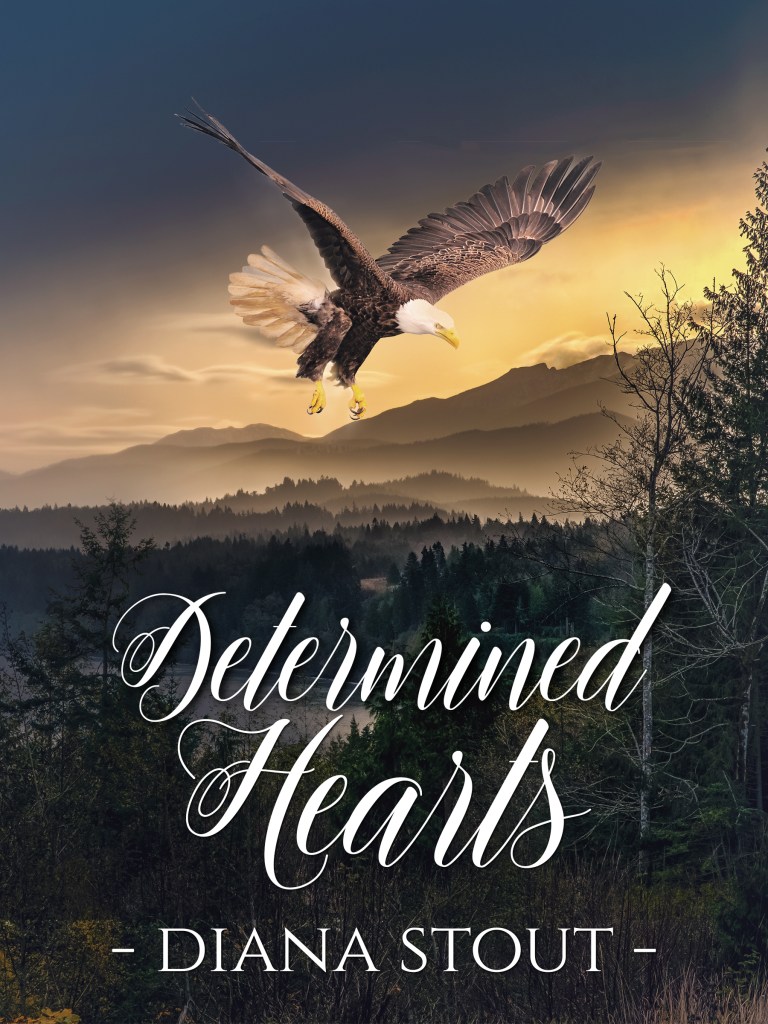
When I first published Determined Hearts, which was originally published as The Man on the Romance Cover, a reader asked me when I had last been to Idaho, in particular the Snake River Valley region, which is the setting of the book. When I replied that I’ve never been there, she said, “You’d never know it. Your details were spot on.” Her praise told me that I’d done my research.
If writers are told they can only write about that which they experience and know firsthand, then libraries would have to empty their shelves.
As a romance writer, how can women—the majority of that genre’s authors—write from the male view of point?
How can a mystery writer write about murder unless they’ve murdered? How can a sci-fi author write about living on another planet without having traveled in space?
The tipping point of ridiculousness has been reached.
Coloring outside the lines has always been the hallmark of innovative creativity and fantastic new movements, albeit some criticism, too, which always comes from those who believe we writers need to color inside the lines.
We’re in one of those coloring-outside-the-lines times, now, where a few are trying to dictate the many.
How limiting. How narrow-minded. How sad. How infuriating.
*****

Purpose: To share and encourage. Writers can express doubts and concerns without fear of appearing foolish or weak. Those who have been through the fire can offer assistance and guidance. It’s a safe haven for insecure writers of all kinds!
Posting: The first Wednesday of every month is officially Insecure Writer’s Support Group day. Post your thoughts on your own blog. Talk about your doubts and the fears you have conquered. Discuss your struggles and triumphs. Offer a word of encouragement for others who are struggling. Visit others in the group and connect with your fellow writer – aim for a dozen new people each time – and return comments. This group is all about connecting!


