
With almost all of my writing projects from the start of writing the first word, I knew the genre and the form. Romance as a novel or as a short short story. Mystery as a short story or novel series. Poetry as a sestina, haiku, or sonnet. Romance novella series. 400-word column for XYZ (magazine/newspaper), non-fiction. And, so forth.
I say almost, because there’s only been one project that I began writing and had no idea what form it would take—would it be long, short, mid-length? —or the genre it would become. For its first written word, I dubbed it a historical, telling myself that I’d research the genre later. As to the form, I figured the story length itself would be the deciding factor. I suspected it would be a novel, but I wasn’t confident about it.
I knew the story took place in the late 5th century and I knew it would be fiction, based on a character from the world’s first English manuscript that had an unknown author. Those were the only two things I knew for sure.
The genesis moment occurred in the middle of my teaching a women’s study survey class where we were examining stories where women didn’t have a voice. In the middle of one student’s presentation of their book, I had that brilliant “Aha!” moment: Grendel’s mother in Beowulf.
I wrote those four words down and felt an excitement rise within, an excitement I hadn’t felt in while. Four years to be exact. Life had intervened followed by a decision to return to school so I could become degreed where I could teach accredited classes. Up until then, the classes I had been teaching in were either online or through adult enrichment classes at colleges.
Once I started going back to school, I was writing just as much as I had before, if not more, but it was all academic writing or creative writing forced by assignments, which were difficult to write because that deep-down bubbling joy and inspiration was always missing.
There was little time for laying any assignment aside, letting time work any creative juices. Instead, quick revisions and polishing, turning it in for a grade was the diction and process of my writing those days.
That initial excitement of a new idea stayed with me through the rest of that class I was teaching and through the commuting drive home. Walking to my car after class and during the drive home, the title was instant—Grendel’s Mother—and she was already talking to me. I saw flashes of scenes, but I had no idea of order or structure.
The minute I got in the door, I dropped my bookbag, keys, tore off my coat, and went straight to the computer. I didn’t even think about eating. That could wait a few minutes.
Those few minutes turned into an hour where I quickly wrote twenty pages of what I thought was the opening pages of the project. It felt like a book. It felt like a historical book. I saw it as a screenplay, too. The images were vivid, the dialogue clear and crisp.
Strangely, I didn’t have to struggle to discover any of the book’s characters. This is the one and only time where all the characters came fully formed, included their bitterness, goals, and wounds. All of them.
It was magical. I didn’t question anything.
I began to question the historical genre. I did some research. How was Beowulf classified? Medieval Poetry, Norse & Icelandic Sagas, English Literature, Epic Poetry, Mythology & Folk Tales. And then, I saw it: Epic Fantasy.
Not until, I was in the end revision stages—and there were many revisions—did the starting pages change. I changed the beginning to provide a better hook. To provide stronger action. The original beginning—that truly started at the beginning chronologically became the transition from present to past. The new beginning was an extremely active scene, taking place nine months later from the original beginning. The transition occurs as a way to deal with the present pain…and so, she starts remembering.
I even got as far as assigning the genre to YA historical because the heroine is a teenager in the beginning; but then, someone said, no, it’s not a YA because she ages. They were right.
The genre fit.
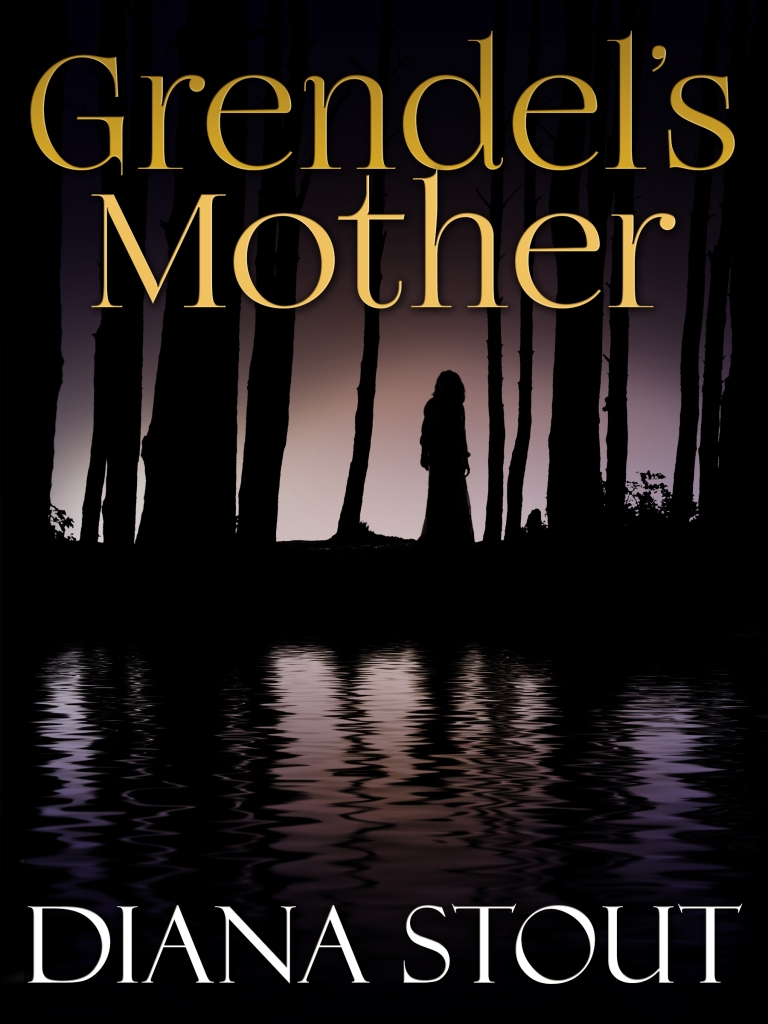
Grendel’s Mother became a novel and my first indie publication. To date, it’s still my most favorite book that I’ve written and published so far.
***
Purpose: To share and encourage. Writers can express doubts and concerns without fear of appearing foolish or weak. Those who have been through the fire can offer assistance and guidance. It’s a safe haven for insecure writers of all kinds!
Posting: The first Wednesday of every month is officially Insecure Writer’s Support Group day. Post your thoughts on your own blog. Talk about your doubts and the fears you have conquered. Discuss your struggles and triumphs. Offer a word of encouragement for others who are struggling. Visit others in the group and connect with your fellow writer – aim for a dozen new people each time – and return comments. This group is all about connecting!


